
 English
 Русский
 Español
 Français
 Deutsch
 简体中文
 Árabe
 Português
 日本語
 한국어
 हिंदी
 Prancis
 Türkçe
 Tiếng Việt
 Italiano
 ไทย

How to Choose the Right Hospital Incinerator for Medical Waste
Hospitals produce medical waste every day. This waste can include used medical supplies, contaminated materials, and other waste that needs special treatment.
Hospital incineration is one method used to treat suitable medical waste. It uses controlled heat to burn the waste and reduce its volume.
Choosing the right hospital incinerator is important. The equipment should match the waste type, waste volume, site conditions, and local requirements.
Why Hospital Incineration Is Used for Medical Waste
Medical waste cannot always be treated like normal waste.
Some medical waste may contain infectious materials. Some waste may also need special handling before final disposal.
Hospital incineration can treat suitable combustible waste at high temperature. It can reduce the amount of solid waste that remains after treatment.
The first step is to identify the waste. Different waste types may need different treatment methods.
Hospitals should also check local rules before choosing an incinerator.
What Waste Can a Hospital Incinerator Handle?
A hospital incinerator can be designed for different types of medical waste.
Common examples include:
Used medical supplies
Contaminated materials
Certain infectious waste
Pathological waste
Other suitable combustible waste
Not all medical waste is the same. Some materials may need separate treatment.
Buyers should provide basic waste information before choosing equipment. This information can include waste type, daily volume, moisture level, and physical form.
This helps the supplier select a suitable incinerator design.
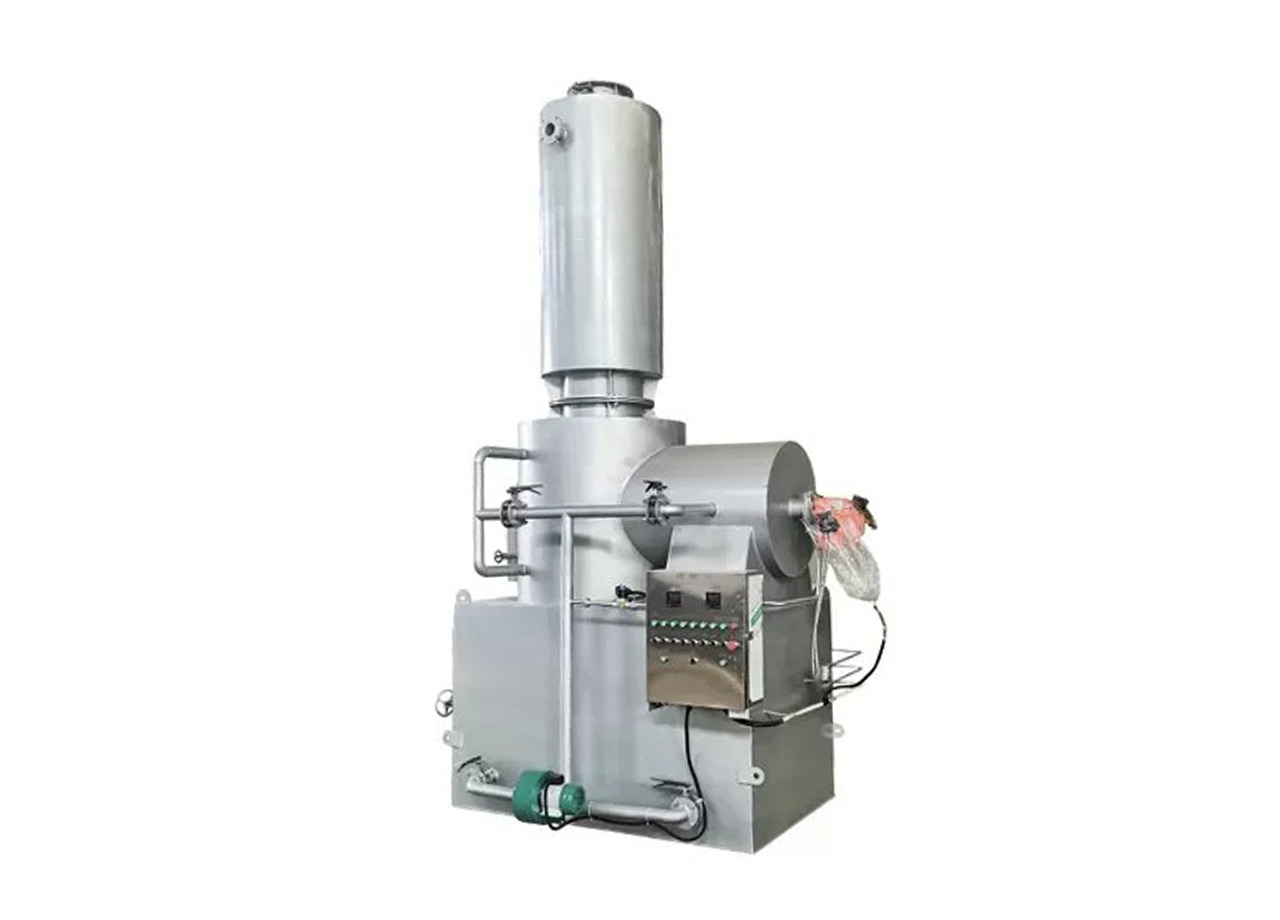
How a Hospital Waste Incinerator Works
A Hospital Waste Incinerator uses controlled combustion to treat suitable waste.
The waste enters the combustion chamber. Heat and air are then used to support combustion.
Some equipment has a second combustion chamber. This chamber can further treat gases from the first chamber.
After combustion, ash remains. The ash needs to be collected and handled properly.
The design can be different for each project. Feeding, combustion, ash removal, and exhaust treatment should match the waste and site conditions.
Key Factors When Choosing a Hospital Incinerator
Several points should be checked before buying a hospital incinerator.
Waste Type
First, confirm what waste needs to be treated.
Different waste can behave differently during combustion. Moisture and material content can also affect operation.
Waste Volume
The daily waste volume is another key factor.
The incinerator should have enough capacity for the required workload. Buyers should provide real waste data when possible.
Site Conditions
The installation site also matters.
The site should have enough space for loading, ash removal, inspection, and maintenance.
Fuel, power, ventilation, and other site conditions should also be checked.
Maintenance
The equipment should be easy to inspect and maintain.
Simple access to important parts can help make daily work easier.
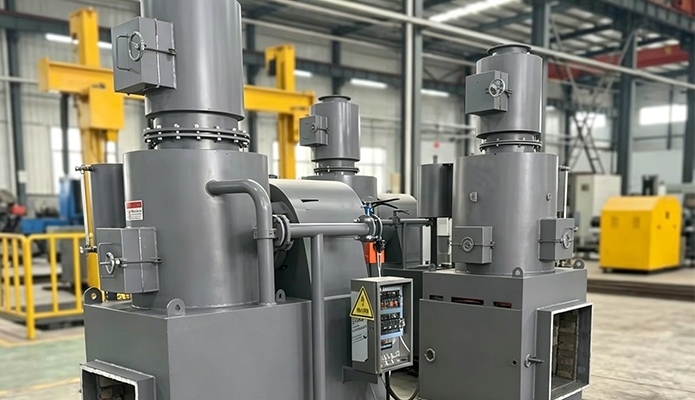
How Waste Type and Capacity Affect Incinerator Selection
Waste type and capacity are closely related.
Wet waste may need more heat during combustion. Dry waste may behave differently.
The physical form also matters. Loose waste, bags, and larger solid materials may need different feeding methods.
Capacity should match the actual waste volume.
A small unit may not handle the required amount of waste. A large unit may cost more than needed.
For this reason, buyers should first collect basic waste data. This makes equipment selection more accurate.
Combustion Temperature and Residence Time
Temperature is an important part of incinerator operation.
Residence time is also important. It means how long the waste or gas stays under the required combustion conditions.
These two factors should be considered together.
Waste type, moisture, air supply, and chamber design can all affect combustion.
There is no single temperature that fits every hospital waste application. The operating conditions should match the waste and the required treatment process.
Hospital Incinerator Feeding and Ash Handling
Feeding is an important part of daily operation.
The feeding method should match the waste type and waste volume. A suitable method can also reduce unnecessary manual work.
Ash handling is also important.
After combustion, ash needs to be removed and handled safely. The equipment should provide enough space for this work.
Easy access can make cleaning and maintenance easier.
Common Problems Caused by Improper Incinerator Selection
Poor equipment selection can cause problems during operation.
A unit with too little capacity may need longer operating time.
An unsuitable feeding method may increase manual work.
Poor combustion control may also cause unstable operation.
Other problems can include difficult ash removal and more maintenance work.
These problems can often be reduced by checking the waste, capacity, site, and operating conditions before purchase.
How to Choose a Hospital Waste Incinerator
Choosing a Hospital Waste Incinerator can follow a simple process:
Waste Type → Waste Volume → Capacity → Feeding → Combustion → Ash Handling → Site Conditions
Start with the waste.
Confirm what waste needs treatment and how much waste is produced.
Then choose the required capacity.
Next, check the feeding method, combustion chamber, ash removal, and installation space.
Buyers should also check local waste-treatment and environmental requirements.
A clear project specification helps both buyers and suppliers.
Custom Hospital Incinerators for Different Medical Waste Applications
Medical facilities can have different waste types and waste volumes.
Their sites can also be different.
For this reason, a standard incinerator may not always be suitable.
Custom hospital incinerators can be designed according to the project requirements. These requirements may include waste type, capacity, feeding method, ash removal, and installation space.
Before asking for a quotation, buyers should provide basic project information.
Useful information includes:
Waste type
Daily waste volume
Operating hours
Site conditions
Feeding method
Required treatment process
For hospital incineration, the right equipment starts with the right waste information.
A hospital incinerator should match the actual waste, capacity, and site conditions. A Hospital Waste Incinerator should also be easy to operate, inspect, and maintain.
Online Message
RELATED PRODUCTS

LAR designs a Medical Waste Incinerator for the safe and controlled disposal of infectious and clinical waste in healthcare environments. The company develops each Medical Waste Incinerator to ensure high-temperature destruction, stable operation, and reliable emission control. A Medical Waste Incinerator is widely used in hospitals, laboratories, clinics, and pharmaceutical facilities.
LAR designs a Garbage Incinerator for efficient and controlled disposal of municipal and industrial solid waste. The company develops each Garbage Incinerator to ensure stable combustion performance, reduced emissions, and long-term operational reliability. A Garbage Incinerator is widely used in cities, industrial parks, and waste treatment facilities.
LAR designs a Domestic Waste Incinerator for efficient and controlled treatment of household solid waste in urban and rural areas. The company develops each Domestic Waste Incinerator to ensure stable combustion performance, reduced emissions, and long-term operational reliability. A Domestic Waste Incinerator is widely used in residential communities, municipal stations, and small-scale waste treatment facilities.
LAR designs the animal carcass incinerator for safe and controlled disposal of dead animals in agricultural, veterinary, and municipal environments. The company develops the animal carcass incinerator to handle biohazardous animal remains generated from farms, slaughterhouses, animal shelters, and disease control centers. The animal carcass incinerator helps reduce infection risks and prevents environmental contamination through high-temperature thermal treatment.
LAR designs the livestock incinerator for safe and controlled disposal of animal waste generated in farms, veterinary facilities, and animal management centers. The company develops the livestock incinerator to handle different types of livestock carcasses and pet remains under strict biosecurity requirements. The livestock incinerator helps reduce disease transmission risks and ensures hygienic waste elimination through high-temperature combustion.
LAR designs the pet cremation incinerator for safe and hygienic disposal of companion animal remains in veterinary clinics, pet cremation centers, and animal care facilities. The company develops the pet cremation incinerator to provide controlled high-temperature combustion that ensures complete thermal decomposition of organic materials. The pet cremation incinerator helps reduce odor, infection risk, and environmental impact during pet waste treatment.
LAR designs the animals waste incinerator for safe and controlled disposal of animal-related waste generated in veterinary clinics, farms, shelters, and research facilities. The company develops the animals waste incinerator to process biological residues such as animal carcasses, tissue waste, and contaminated materials under high-temperature conditions. The animals waste incinerator helps reduce infection risks and improves biosecurity in animal waste management.
LAR develops the rotary kiln incinerator for continuous high-temperature treatment of hazardous and industrial waste streams. The company designs the rotary kiln incinerator to handle complex waste types such as sludge, chemical residues, solid waste, and contaminated materials. The rotary kiln incinerator uses a rotating cylindrical structure to ensure full mixing and complete combustion of waste.
LAR designs the pyrolysis incinerator for advanced thermal treatment of solid waste with low-oxygen decomposition technology. The company develops the pyrolysis incinerator to process municipal waste, industrial waste, and hazardous materials through controlled thermal breakdown. The pyrolysis incinerator converts complex waste into combustible gas, oil-like fractions, and solid residue under high-temperature conditions.
LAR designs the small incinerator for compact and controlled waste treatment in clinics, laboratories, small farms, and community facilities. The company develops the small incinerator to handle low-volume waste streams such as animal waste, medical waste, and general combustible residues. The small incinerator provides safe on-site disposal with stable high-temperature combustion.
