
 English
 Русский
 Español
 Français
 Deutsch
 简体中文
 Árabe
 Português
 日本語
 한국어
 हिंदी
 Prancis
 Türkçe
 Tiếng Việt
 Italiano
 ไทย

Valve Insulation Jackets for Heat Loss Reduction and Easy Maintenance
Valve Insulation Jackets for Heat Loss Reduction and Easy Maintenance
Industrial valves are common in steam lines, hot oil pipelines, chemical plants, and power plants. During operation, heat can escape from exposed valve surfaces. High surface temperatures can also create safety risks for workers.
A valve insulation jacket provides a removable layer of insulation around the valve body and other suitable areas. It helps reduce heat loss, lower outer surface temperatures, and make maintenance easier. The right design depends on the valve structure, operating temperature, insulation material, and working environment.
Why Industrial Valves Need Insulation
Heat transfers from a hot valve to its surroundings through conduction, convection, and thermal radiation. An uninsulated valve can lose heat continuously during operation. This may increase energy consumption, especially when many valves operate across a large industrial facility.
Valves can be more difficult to insulate than straight pipes because their bodies, bonnets, and connections have irregular shapes. Standard pipe insulation may not cover these areas properly.
The U.S. Department of Energy explains the role of insulation in improving industrial steam performance. ASTM C1129 also provides a method for estimating the heat savings achieved by adding insulation to bare valves and flanges [1][2].
A suitable valve insulation jacket can help reduce these losses while providing access to the valve when inspection or repair is required.
How a Valve Insulation Jacket Helps Reduce Heat Loss
A valve insulation jacket uses an insulation layer to slow heat transfer from the valve surface to the surrounding air. Its performance depends on several factors, including insulation thickness, thermal conductivity, valve temperature, ambient temperature, and the quality of the installation [2][3].
The jacket should cover the main exposed surfaces without interfering with valve operation. Gaps around the body, bonnet, or connecting sections can reduce its effectiveness. A poor fit may also leave hot surfaces exposed.
Material selection is important. The insulation core must suit the operating temperature and environmental conditions. The outer cover should withstand the expected exposure, handling, and maintenance requirements.
Thermal calculations can help compare heat loss before and after insulation. However, the estimated savings depend on the calculation method and input data. Actual performance should be assessed under the relevant operating conditions rather than assumed from insulation thickness alone [2][3].
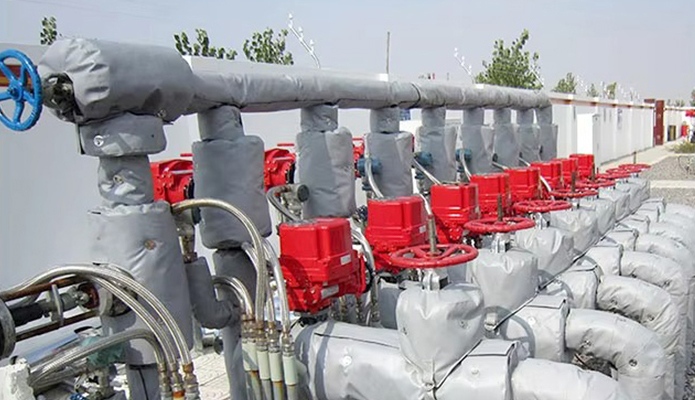
Gate Valve Insulation Jacket for Industrial Applications
A gate valve insulation jacket must account for the valve's shape and moving parts. The body and bonnet are common areas for insulation coverage, but the handwheel, stem, and operating mechanism must remain accessible and functional.
The jacket should fit around the valve without preventing the handwheel from turning or interfering with the stem's movement. Its fastening design should also allow technicians to remove the cover for inspection and reinstall it afterward.
Gate valves in steam lines and hot-fluid pipelines may operate under demanding thermal conditions. Before selecting a jacket, users should confirm the valve dimensions, operating temperature, installation space, and required maintenance access.
The goal is to provide effective thermal coverage while keeping the valve safe and practical to operate.
When to Choose a Custom Valve Insulation Jacket
A custom valve insulation jacket is useful when a standard cover cannot fit the valve correctly. This may occur with large valves, unusual body shapes, limited installation space, or valves with additional fittings and connections.
Before production, the following information should be prepared:
Valve type and nominal size
Overall dimensions and valve body shape
Operating and ambient temperatures
Required insulation thickness, where specified
Handwheel, stem, and access requirements
Exposure to moisture, chemicals, outdoor conditions, or frequent handling
Photos, drawings, and measurements can help confirm the design. For valves with complex shapes, checking the fit before final production can reduce installation problems.
The insulation core and outer fabric should be selected for the actual operating environment. No single material or jacket design is suitable for every valve.
Key Factors to Consider When Selecting a Valve Insulation Jacket
When choosing a valve insulation jacket, consider thermal performance, fit, durability, and ease of maintenance.
| Selection factor | What to check |
|---|---|
| Operating temperature | Confirm that the insulation core and outer cover suit the expected conditions. |
| Insulation performance | Review thermal conductivity, thickness, and the required heat-loss reduction. |
| Valve dimensions | Check the body, bonnet, stem, handwheel, and connected fittings. |
| Outer cover | Consider moisture, chemicals, abrasion, and outdoor exposure. |
| Installation | Make sure the jacket can be fitted securely without blocking operation. |
| Maintenance | Check whether technicians can remove and reinstall it without unnecessary difficulty. |
Thermal conductivity and thickness affect heat transfer, but they should not be considered in isolation. The valve's shape, surface temperature, ambient conditions, and installation quality also influence the result [2][3].
Common Problems with Poor Valve Insulation
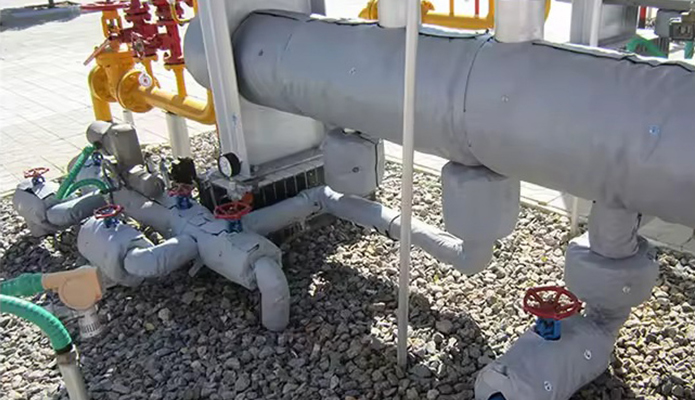
Poorly fitted insulation can leave gaps around the valve body or bonnet. These gaps allow heat to escape and can leave local hot surfaces exposed.
Another common problem is a cover that blocks the handwheel or makes routine inspection difficult. If technicians must cut or damage the insulation to access the valve, maintenance becomes more time-consuming and replacement costs may increase.
The outer cover can also deteriorate if its material is not suitable for the environment. Moisture, chemical exposure, abrasion, or repeated handling may shorten its service life.
To reduce these problems, check the fit during installation, inspect the cover regularly, and reinstall all sections correctly after maintenance. Replace damaged components when they can no longer provide suitable coverage or protection.
How to Choose the Right Insulation Jacket for Your Valves
Start by identifying the valve type, operating conditions, dimensions, and maintenance requirements. Then select insulation materials and a cover design that suit the application.
For standard valve configurations, a suitable standard design may be sufficient. For gate valves with unusual dimensions or limited access, a custom valve insulation jacket can provide a better fit.
A well-designed valve insulation jacket should reduce avoidable heat loss, help lower exposed surface temperatures, and allow practical access for maintenance. Reviewing the actual operating conditions and checking the fit are essential steps toward reliable performance.
References
[1] U.S. Department of Energy. Improving Steam System Performance: A Sourcebook for Industry, Second Edition.
https://www.energy.gov/sites/default/files/2014/05/f15/steamsourcebook.pdf
[2] ASTM International. ASTM C1129: Standard Practice for Estimation of Heat Savings by Adding Thermal Insulation to Bare Valves and Flanges.
https://store.astm.org/c1129-12.html
[3] National Institute of Standards and Technology (NIST). Heat Transmission Properties of Insulating and Building Materials, SRD 81.
https://srdata.nist.gov/insulation
Online Message
RELATED PRODUCTS

LAR designs the flange insulation jacket for thermal protection in pipelines and industrial flange connections. The company develops this product to reduce heat loss and improve energy efficiency in hot fluid systems. The flange insulation jacket also helps protect workers from high surface temperatures in operating plants.
LAR provides thermal insulation solutions for industrial valve systems through engineered jacket products. The company designs the globe valve insulation jacket to support stable heat control in linear flow regulation valves. The globe valve insulation jacket helps reduce thermal loss around valve bodies that operate under continuous high-temperature conditions. The globe valve insulation jacket also improves operator safety by lowering external surface temperature.
LAR manufactures the valve insulation jacket for thermal control in industrial pipeline valve systems. The company designs the valve insulation jacket to reduce heat loss and improve energy efficiency in steam, oil, and chemical transport lines. The valve insulation jacket also helps maintain safer surface temperatures around operating valve equipment.
LAR produces the butterfly valve insulation jacket for thermal control in rotary valve systems used in industrial pipelines. The company designs the butterfly valve insulation jacket to reduce heat loss and improve energy efficiency in steam, oil, and chemical transport lines. The butterfly valve insulation jacket also helps lower external surface temperature and improves operational safety in valve stations.
LAR manufactures the plug valve insulation jacket for thermal management in industrial plug valve systems. The company designs the plug valve insulation jacket to reduce heat loss and improve energy efficiency in pipelines that transport steam, oil, and chemical media. The plug valve insulation jacket also helps stabilize external surface temperature and improves operator safety in high-temperature environments.
LAR produces the pipe insulation jacket for thermal protection in industrial piping systems. The company designs the pipe insulation jacket to reduce heat loss and improve energy efficiency in steam, oil, and chemical transport lines. The pipe insulation jacket also helps stabilize surface temperature and improves safety for operators working near hot pipelines.
LAR produces the pump insulation jacket for thermal protection of industrial pumping systems. The company designs the pump insulation jacket to reduce heat loss and improve energy efficiency in process plants that operate under high or low temperature conditions. The pump insulation jacket also helps stabilize pump surface temperature and improves operator safety in working environments.
LAR produces the heated insulation jacket for industrial systems that require active temperature control. The company designs the heated insulation jacket to maintain stable heat levels on equipment that operates in low-temperature or heat-sensitive environments. The heated insulation jacket helps reduce heat loss and improves process stability in pipelines, tanks, and machinery.
LAR produces custom removable insulation jackets for industrial equipment that requires flexible and repeatable thermal protection. The company designs custom removable insulation jackets to improve energy efficiency and reduce heat loss in pipelines, valves, pumps, and process equipment. The custom removable insulation jackets also help improve safety by lowering surface temperature in high-heat environments.
LAR manufactures boiler insulation jackets for thermal protection in industrial boiler systems. The company designs boiler insulation jackets to reduce heat loss and improve energy efficiency in steam generation equipment. The boiler insulation jackets also help improve operational safety by lowering external surface temperature on boiler housings and connected piping.
