
 English
 Русский
 Español
 Français
 Deutsch
 简体中文
 Árabe
 Português
 日本語
 한국어
 हिंदी
 Prancis
 Türkçe
 Tiếng Việt
 Italiano
 ไทย

Pipe Fitting Insulation Jackets for Heat Loss Reduction
Industrial pipes carry steam, hot water, oil, and other process fluids. Heat can escape through exposed pipes and fittings. This heat loss can increase energy use and raise surface temperatures around equipment.
Straight pipes are usually easy to insulate. However, pipe tees, elbows, and other fittings have more complex shapes. Standard insulation may leave gaps around these areas.
A Pipe Fitting Insulation Jacket provides a removable cover for these parts. It helps reduce heat loss and makes inspection and maintenance easier.
Why Industrial Pipes and Fittings Need Insulation
Industrial pipe fittings connect different sections of a pipeline. Their shapes can make insulation more difficult than insulation for straight pipes.
Common problems include gaps around connections, damaged insulation during maintenance, and high surface temperatures. These problems may affect energy use and worker safety.
Insulation jackets help cover exposed fittings. They can also make routine maintenance easier because workers can remove the cover and reinstall it after inspection.
Common applications include:
Steam and hot water pipelines
Chemical processing equipment
Industrial heating lines
Oil and gas processing facilities
Pipes in power plants and manufacturing plants
The right jacket depends on the operating temperature, fitting shape, installation space, and maintenance requirements.
Pipe Tee Insulation Jacket for Complex Pipe Connections
A pipe tee connects three sections of pipe. Its branch connection creates a shape that is difficult to cover with standard pipe insulation.
A Pipe Tee Insulation Jacket is designed to fit around this connection. It helps cover exposed surfaces and reduce gaps that can allow heat to escape.
Several details affect the design:
Main pipe diameter
Branch pipe diameter
Tee angle and overall dimensions
Operating temperature
Nearby flanges, valves, and other fittings
A poor fit may leave parts of the tee exposed. It may also make the jacket difficult to remove.
For equipment that needs regular inspection, a removable design is useful. The jacket should open easily without blocking nearby components. Accurate measurements help the supplier make a cover that fits the pipe connection.
Steam Pipe Insulation Jacket for High-Temperature Pipes
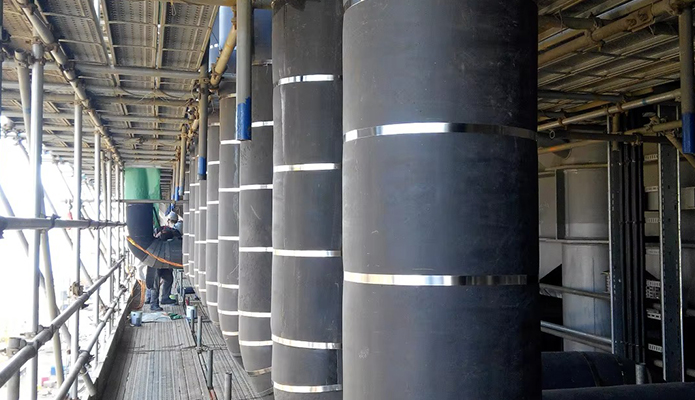
Steam pipes often operate at elevated temperatures. Exposed surfaces can lose heat to the surrounding air. They can also create burn risks for workers who pass nearby.
A Steam Pipe Insulation Jacket helps limit heat transfer from the pipe surface. The insulation material must suit the steam line's operating temperature and working environment.
When selecting a jacket, check the following:
Normal and maximum operating temperatures
Pipe diameter and fitting dimensions
Insulation material and thickness
Outer cover resistance to moisture and workplace conditions
Access needed for inspection and repair
Steam lines may include tees, elbows, flanges, and valves. These parts may need different jacket shapes even when they belong to the same pipeline.
The jacket should fit securely without interfering with pipe supports or nearby equipment. Actual heat-loss reduction depends on the insulation material, thickness, fit, ambient conditions, and operating temperature.
Pipe Fitting Insulation Jacket for Different Connections
Different fittings need different insulation designs. The table below compares common fittings and their main insulation needs.
| Pipe fitting type | Common challenge | Insulation requirement |
| Pipe tee | Three connected pipe sections create a complex shape | A fitted cover for the main pipe and branch |
| Steam pipe | High operating temperature and heat loss | Insulation rated for the working temperature |
| Elbow | Changes in pipe direction can leave gaps | A cover shaped to follow the bend |
| Flange | Bolts and joints need inspection access | A removable cover with suitable openings |
| Valve connection | Moving parts and maintenance access | A fitted jacket that does not block operation |
One standard cover may not suit every fitting. Measurements and installation details help determine the right design.
Common Problems with Pipe Fitting Insulation
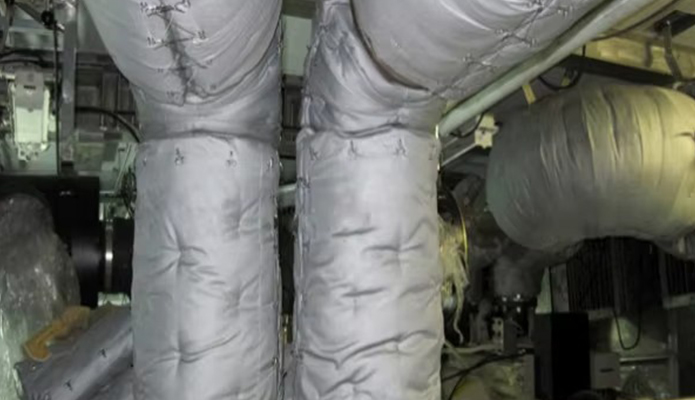
Poor insulation often results from incorrect sizing, unsuitable materials, or difficult installation.
Gaps around fittings: Gaps expose hot surfaces and allow more heat to escape. Check the cover shape and fit around each connection.
Wrong insulation material: A material that cannot withstand the operating temperature may deteriorate. Confirm the material's rated temperature before purchase.
Damaged outer cover: Moisture, dirt, and repeated handling can damage some outer materials. Select a cover that suits the workplace and inspect it regularly.
Difficult maintenance: Insulation that takes too long to remove may delay inspection and repairs. Removable jackets with suitable fasteners can make access easier.
Poor fit near other equipment: Limited space can make installation difficult. Check nearby pipes, supports, valves, and access points before the jacket is made.
Regular inspection helps identify loose fasteners, damaged covers, and areas that need repair or replacement.
Custom Insulation Jackets for Different Pipe Configurations
Standard insulation products may work for simple pipe layouts. Complex connections often need custom designs.
A custom Pipe Fitting Insulation Jacket can be made for tees, elbows, flanges, and other fittings. The design can account for pipe dimensions, operating temperature, nearby equipment, and the need for regular maintenance.
Before ordering, provide pipe drawings, measurements, operating temperatures, and installation photos when available. These details help the manufacturer confirm the cover shape and insulation requirements.
For pipelines with several fitting types, it is useful to review the full layout before production. This helps reduce sizing problems and makes installation easier.
The right insulation jacket should match the fitting shape, operating conditions, and maintenance plan. With suitable materials and accurate dimensions, pipe fitting insulation can help reduce heat loss and make routine maintenance more practical.
Online Message
RELATED PRODUCTS

LAR designs the flange insulation jacket for thermal protection in pipelines and industrial flange connections. The company develops this product to reduce heat loss and improve energy efficiency in hot fluid systems. The flange insulation jacket also helps protect workers from high surface temperatures in operating plants.
LAR provides thermal insulation solutions for industrial valve systems through engineered jacket products. The company designs the globe valve insulation jacket to support stable heat control in linear flow regulation valves. The globe valve insulation jacket helps reduce thermal loss around valve bodies that operate under continuous high-temperature conditions. The globe valve insulation jacket also improves operator safety by lowering external surface temperature.
LAR manufactures the valve insulation jacket for thermal control in industrial pipeline valve systems. The company designs the valve insulation jacket to reduce heat loss and improve energy efficiency in steam, oil, and chemical transport lines. The valve insulation jacket also helps maintain safer surface temperatures around operating valve equipment.
LAR produces the butterfly valve insulation jacket for thermal control in rotary valve systems used in industrial pipelines. The company designs the butterfly valve insulation jacket to reduce heat loss and improve energy efficiency in steam, oil, and chemical transport lines. The butterfly valve insulation jacket also helps lower external surface temperature and improves operational safety in valve stations.
LAR manufactures the plug valve insulation jacket for thermal management in industrial plug valve systems. The company designs the plug valve insulation jacket to reduce heat loss and improve energy efficiency in pipelines that transport steam, oil, and chemical media. The plug valve insulation jacket also helps stabilize external surface temperature and improves operator safety in high-temperature environments.
LAR produces the pipe insulation jacket for thermal protection in industrial piping systems. The company designs the pipe insulation jacket to reduce heat loss and improve energy efficiency in steam, oil, and chemical transport lines. The pipe insulation jacket also helps stabilize surface temperature and improves safety for operators working near hot pipelines.
LAR produces the pump insulation jacket for thermal protection of industrial pumping systems. The company designs the pump insulation jacket to reduce heat loss and improve energy efficiency in process plants that operate under high or low temperature conditions. The pump insulation jacket also helps stabilize pump surface temperature and improves operator safety in working environments.
LAR produces the heated insulation jacket for industrial systems that require active temperature control. The company designs the heated insulation jacket to maintain stable heat levels on equipment that operates in low-temperature or heat-sensitive environments. The heated insulation jacket helps reduce heat loss and improves process stability in pipelines, tanks, and machinery.
LAR produces custom removable insulation jackets for industrial equipment that requires flexible and repeatable thermal protection. The company designs custom removable insulation jackets to improve energy efficiency and reduce heat loss in pipelines, valves, pumps, and process equipment. The custom removable insulation jackets also help improve safety by lowering surface temperature in high-heat environments.
LAR manufactures boiler insulation jackets for thermal protection in industrial boiler systems. The company designs boiler insulation jackets to reduce heat loss and improve energy efficiency in steam generation equipment. The boiler insulation jackets also help improve operational safety by lowering external surface temperature on boiler housings and connected piping.
